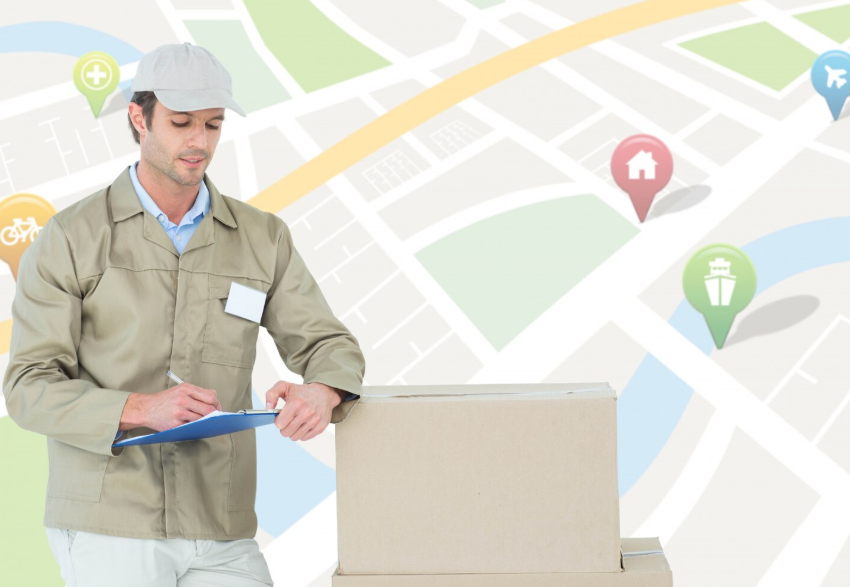
In today’s fast-moving logistics world, precision and clarity are everything. Whether you’re running a small eCommerce store or managing large-scale shipments, keeping track of deliveries goes beyond just scanning barcodes and updating statuses. Visual communication has become a powerful tool in courier tracking helping businesses reduce errors, improve transparency, and build trust with customers.
From damaged package claims to proof-of-delivery confirmations, images play a bigger role than ever. But capturing images is only half the job editing and optimizing them can make the real difference. Let’s explore how modern image tools can elevate courier tracking systems and streamline delivery workflows.
Why Visual Accuracy Matters in Courier Tracking
Courier tracking platforms like acouriertracker.com are designed to provide real-time updates and reliable delivery information. But sometimes, text-based updates aren’t enough. For example:
● A delivery marked as “damaged” may raise questions without visual proof
● A “delivered” status might still lead to disputes if the recipient claims otherwise
● Warehouse errors can go unnoticed without documented visuals
This is where images come in. A quick snapshot at each stage pickup, transit, and delivery adds an extra layer of accountability. However, raw images can be unclear, poorly lit, or irrelevant without proper adjustments.
Enhancing Delivery Images for Better Communication
To make images truly useful, they need to be clean, focused, and informative. That’s where tools like Adobe Express come into play. With a simple interface, you can quickly edit image files to highlight key details, crop unnecessary elements, adjust brightness, or annotate important sections.
Imagine a courier capturing a photo of a delivered package at a doorstep. With a few quick edits, they can:
● Enhance visibility in low-light conditions
● Add timestamps or notes directly onto the image
● Crop out irrelevant background distractions
● Highlight package condition clearly
These small improvements can significantly reduce disputes and improve customer confidence.
Real-World Use Cases That Make a Difference
Let’s look at how image editing integrates into everyday courier operations:
1. Proof of Delivery (POD)
Instead of just a signature, couriers now provide image-based confirmation. Edited images ensure the package location, condition, and surroundings are clearly visible making it easier to verify successful deliveries.
2. Damage Reporting
If a package is damaged during transit, a quick edited image can help logistics teams assess responsibility faster. Clear visuals eliminate guesswork and speed up claims processing.
3. Warehouse Verification
Workers can document inventory conditions using images. Editing tools help highlight labels, barcodes, or issues, improving internal communication between teams.
4. Customer Support Resolution
When customers raise complaints, support teams can rely on well-edited images to provide quick and accurate responses. This reduces back-and-forth communication and increases satisfaction.
Actionable Tips for Using Images in Courier Tracking
If you’re looking to improve your courier tracking process using visuals, here are some practical tips:
Keep It Simple and Clear
Avoid over-editing. The goal is clarity, not creativity. Focus on making the image informative.
Standardize Image Guidelines
Train your team to capture images from consistent angles and distances. This ensures uniformity across your tracking system.
Use Annotations Wisely
Highlight only the important parts like damaged areas or delivery locations without cluttering the image.
Optimize for Speed
Choose tools that allow quick edits on the go, especially for couriers in the field.
Store and Organize Efficiently
Ensure images are properly tagged and linked to tracking IDs for easy retrieval.
The Competitive Advantage of Visual Tracking
Businesses that integrate image optimization into their courier tracking systems stand out. They not only reduce operational errors but also create a more transparent and trustworthy experience for customers.
Think about it: when a customer can see where their package was delivered and in what condition, it eliminates doubt. That level of clarity builds long-term loyalty.
Moreover, as logistics technology continues to evolve, combining tracking data with visual evidence will likely become the industry standard rather than a bonus feature.
Final Thoughts
Courier tracking is no longer just about location updates it’s about delivering confidence. By incorporating well-edited images into your workflow, you enhance communication, reduce disputes, and create a smoother delivery experience for everyone involved.
In a world where every detail counts, taking a few extra seconds to refine an image can save hours of confusion later. And that’s a smart move for any modern logistics operation.