Transpacific shipping remains one of the most important trade corridors for global businesses, but it is also vulnerable to rate fluctuations, port congestion, capacity shortages, and customs delays. Understanding the causes of shipping volatility and implementing proactive logistics strategies can help importers maintain stable supply chains and control transportation costs.
Why Transpacific Shipping Volatility Continues to Challenge Importers
For companies sourcing products from China, Shipping From China To The USA is often the largest logistics expense within the supply chain. However, freight costs and transit times can change rapidly due to factors beyond an importer’s control.
Ocean carriers regularly adjust capacity based on demand forecasts. Seasonal shopping periods, geopolitical developments, labor disputes, and weather-related disruptions can all affect shipping schedules. As a result, businesses that rely on a single transportation strategy often face unexpected delays and increased costs.
According to industry reports published by organizations such as the World Bank and the United Nations Conference on Trade and Development (UNCTAD), supply chain disruptions can significantly impact delivery reliability and inventory planning, particularly on major Asia–North America trade routes.
Therefore, reducing exposure to volatility requires a more structured logistics approach rather than simply searching for the lowest freight rate.
Diversify Transportation Options
One common mistake among importers is relying exclusively on one shipping method.
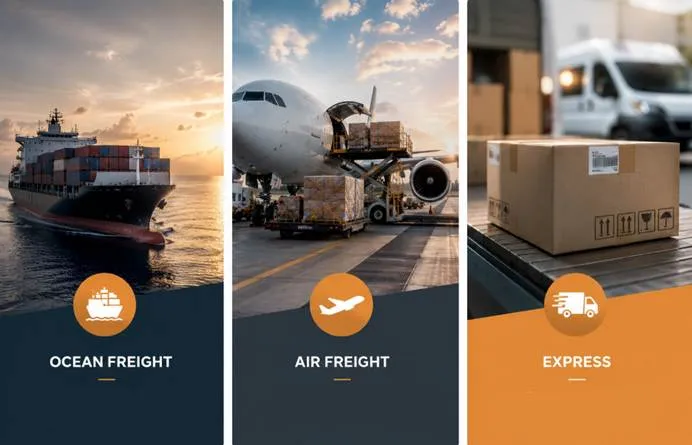
While sea freight remains the most economical option for large shipments, it is not always the most suitable choice during peak seasons or capacity shortages. Businesses should evaluate multiple transportation solutions based on product value, urgency, and inventory levels.
Common options include:
- Sea freight for cost-sensitive cargo
- Air freight for urgent replenishment
- Express shipping for high-value or time-critical products
- Hybrid logistics models combining ocean and air transportation
Diversification creates flexibility when market conditions change unexpectedly.
Build Inventory Buffers Before Peak Seasons
Many shipping disruptions occur during predictable periods.
Major events such as:
- Back-to-school season
- Black Friday
- Cyber Monday
- Christmas holiday demand
- Chinese New Year factory shutdowns
can significantly affect cargo volumes and carrier capacity.
Rather than reacting to market congestion, experienced importers often increase inventory levels several weeks before anticipated demand spikes. This strategy reduces dependence on expedited shipping and helps maintain stable product availability.
For Amazon sellers, inventory planning is particularly important because stockouts can negatively affect rankings, sales velocity, and customer experience.
Use Warehouse Consolidation Services
Shipment fragmentation often contributes to higher transportation costs.
When products are sourced from multiple factories across China, separate shipments can create inefficiencies. Consolidating cargo in a China warehouse before export can streamline operations and improve container utilization.
Key benefits include:
Lower Freight Costs
Combining products from different suppliers often reduces the cost per unit shipped.
Better Cargo Management
Warehouse teams can inspect, label, and organize shipments before departure.
Improved Delivery Planning
Consolidated shipments simplify customs documentation and reduce coordination challenges.
Many importers now use warehouse consolidation as part of a broader supply chain risk management strategy.
Understand Incoterms Before Shipping
Shipping volatility is not limited to transportation itself. Unexpected customs fees, taxes, and local delivery charges can also create financial uncertainty.
This is where understanding Incoterms becomes important.
For example:
| Incoterm | Responsibility | |
| EXW | Buyer handles most logistics | |
| FOB | Seller delivers cargo to port | |
| DAP | Seller arranges transportation, buyer pays import charges | |
| DDP | Seller manages transportation, customs clearance, and duties | |
Businesses unfamiliar with customs procedures often choose DDP shipping because it provides greater cost predictability and minimizes administrative complexity.
Selecting the appropriate shipping agreement can help avoid unexpected expenses later in the process.
Partner With Experienced Freight Forwarders
Freight forwarding partners play an increasingly important role during volatile market conditions.
An experienced logistics provider can assist with:
- Carrier selection
- Route optimization
- Customs clearance
- Documentation management
- Warehousing coordination
- Door-to-door delivery planning
Many importers shipping from China to the USA work with specialized freight forwarders that understand both origin and destination regulations. Companies such as Gorto Freight and other China-focused logistics providers offer services designed to simplify cross-border transportation while helping businesses navigate changing market conditions.
The value of a freight forwarder extends beyond transportation. Reliable logistics partners often provide visibility, contingency planning, and access to alternative routing options when disruptions occur.
Monitor Supply Chain Data Continuously
Modern logistics management requires real-time visibility.
Businesses that regularly monitor:
- Freight market trends
- Container availability
- Port congestion reports
- Customs policy changes
- Inventory turnover
are generally better prepared to respond to disruptions.
Data-driven decision-making allows companies to adjust shipping schedules before problems escalate into costly delays.
Conclusion
Transpacific volatility is unlikely to disappear in the near future. However, businesses can significantly reduce risk through diversified shipping strategies, inventory planning, warehouse consolidation, informed Incoterm selection, and strong freight forwarding partnerships.
For importers shipping from China to the USA, the most effective approach is not chasing the lowest freight rate. Instead, long-term supply chain stability comes from building flexibility into logistics operations and preparing for market fluctuations before they occur.