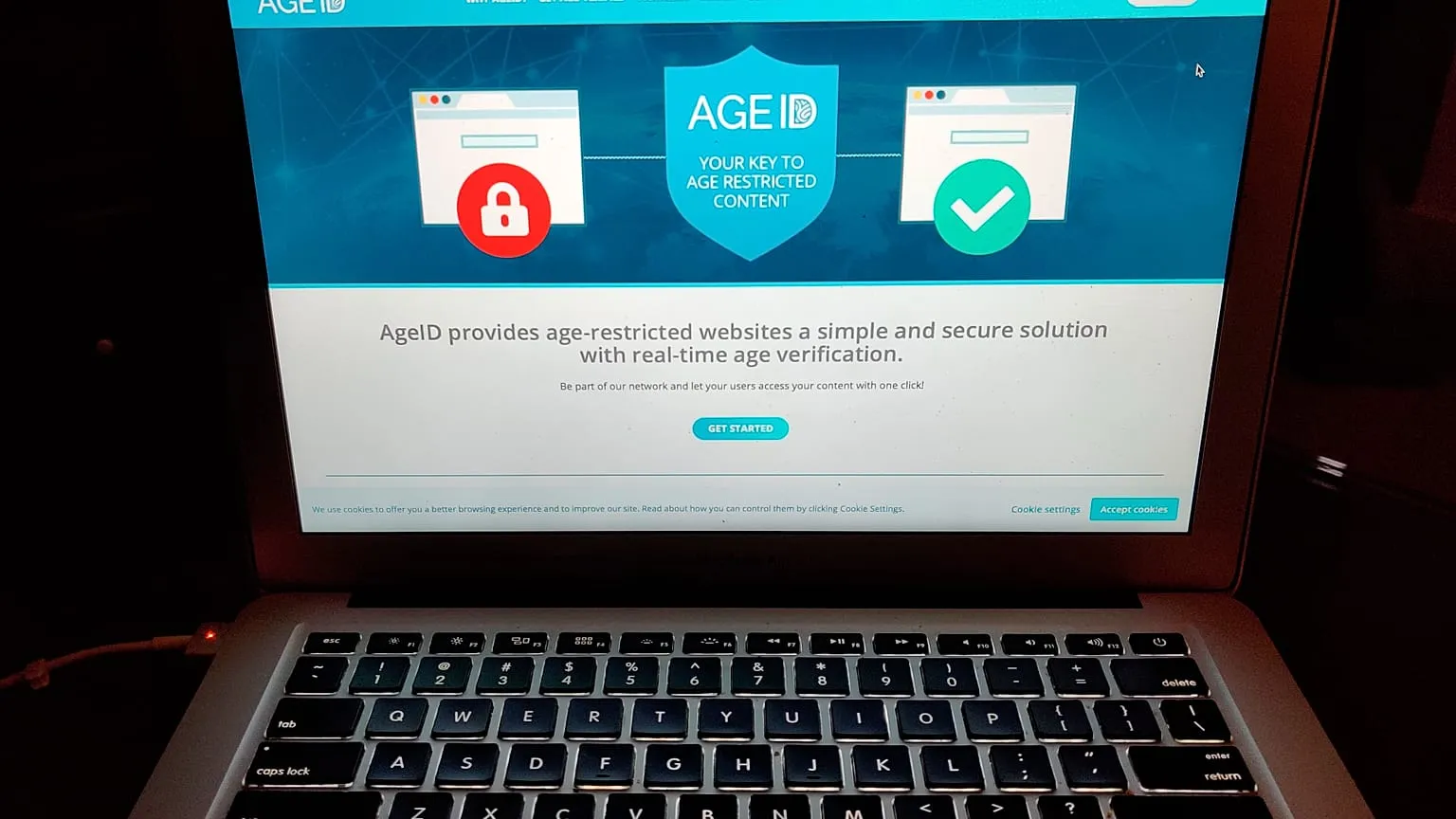
Age restrictions are an important part of online gambling regulation, yet verifying eligibility involves more than displaying an age warning. Websites may need procedures for confirming identity, checking submitted documents, and protecting personal information. The Cambodian-language God55 homepage includes registration guidance, account verification resources, and responsible gaming information within its support navigation. These features provide a relevant starting point for examining digital identity requirements. Understanding verification practices helps us recognize why eligibility checks matter and what safeguards should accompany requests for sensitive personal information.
Age Restrictions Establish Participation Boundaries
Age restrictions are designed to prevent underage individuals from accessing gambling activities. However, minimum participation ages and applicable requirements can vary depending on the jurisdiction and type of service. A website displaying an age notice does not necessarily demonstrate that meaningful eligibility checks occur. We should distinguish a simple confirmation checkbox from procedures that verify personal information. Effective safeguards require consistent enforcement and clearly communicated restrictions. Visitors should also understand that reaching the stated minimum age does not automatically make online gambling lawful in their location.
Identity Documents Require Careful Handling
Identity verification may involve submitting government-issued documents or other records containing sensitive information. These materials can include names, photographs, identification numbers, and dates of birth. Collecting such information creates responsibilities concerning secure transmission, limited access, and appropriate retention periods. We should examine privacy explanations before providing documents to an unfamiliar service. Requests for unnecessary information deserve particular caution. Legitimate verification procedures should have understandable purposes, and visitors should avoid transmitting identification materials through unofficial messaging accounts or links received from unverified contacts.
Verification Timing Influences Account Expectations
Some online services request identity information during registration, while others may introduce additional checks before particular account activities. These differences can affect expectations about access, processing times, and financial transactions. A visitor might complete initial registration without realizing that further documentation could become necessary later. We should therefore examine verification requirements before considering any deposit. Clear procedures should explain when checks occur, what information may be required, and how unsuccessful submissions are handled. Transparency is especially important when account restrictions could affect access to funds.
Regional Services Face Different Requirements
Identity procedures must be considered alongside the regulations governing each service’s intended market. The Vietnamese-language God55 website displays an adults-only notice and presents information about its claimed operator and licensing arrangements. Such disclosures provide points for independent examination rather than conclusive proof of authorization. Cambodia and Vietnam have different gambling restrictions, making national context especially important. We should verify which legal framework applies to an activity before interpreting eligibility statements. Translation, regional branding, and displayed age notices cannot establish permission to participate.
Document Security Extends Beyond Uploads
Protecting identification records involves more than securing the initial upload process. Operators also need appropriate controls governing storage, internal access, retention, and deletion where legally permitted. Information may remain sensitive long after an account has been verified. We should look for privacy policies explaining whether third-party verification providers receive personal records and how those arrangements are managed. Security claims should be supported by meaningful details rather than vague assurances. Visitors also benefit from understanding how suspected information exposure can be reported and investigated.
Failed Verification Needs Clear Resolution
Verification systems can encounter difficulties when photographs are unclear, submitted information differs from account records, or required documents cannot be accepted. These situations should have understandable resolution procedures instead of leaving users uncertain about their account status. We should examine whether a service explains correction requests, review processes, and appropriate contact channels. Repeated requests for additional documents should also have a legitimate reason. Clear communication helps prevent unnecessary disclosures while allowing individuals to understand why verification has failed and what options remain available.
Identity Controls Support Account Accountability
Identity checks can contribute to account accountability by helping distinguish legitimate users from unauthorized access attempts. However, verification does not eliminate fraud, guarantee secure transactions, or establish regulatory compliance. Websites also need reliable authentication, privacy controls, and documented processes for investigating suspicious activity. We should consider these safeguards together rather than treating identity confirmation as a complete security solution. For gambling-related services, effective eligibility controls must also operate alongside age restrictions, applicable laws, and practical protections against harmful financial participation.
Conclusion
Digital identity verification creates important responsibilities for organizations requesting sensitive personal information. Effective procedures should establish clear eligibility requirements while limiting unnecessary data collection and providing understandable methods for resolving problems. Privacy protection must continue after documents have been submitted, particularly when records remain stored for extended periods. Readers benefit from questioning why information is requested, who can access it, and what safeguards govern its use. Meaningful verification ultimately depends on responsible data practices and transparent accountability rather than the appearance of official registration procedures.