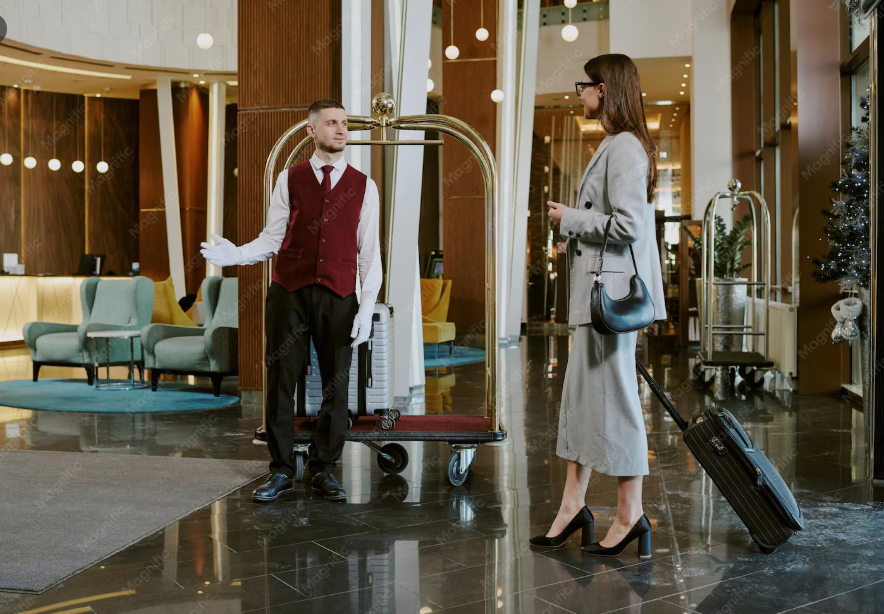
The hospitality industry has entered a period of structural change. Tourists no longer evaluate hotels only by room size, location, or breakfast quality. Modern travelers compare accommodation with the convenience of digital services, flexible workspaces, sustainability standards, and personalized experiences. As travel behavior changes, hotels are forced to redesign both operations and guest interaction models.
The modern guest expects speed, transparency, and control during every stage of the stay. Booking, check-in, room access, service requests, and payment are increasingly expected to happen through digital systems. A traveler may spend time browsing an ice fishing game link while waiting for airport transport, and that same traveler now expects hotel services to function with a similar level of accessibility and responsiveness.
Hotels that fail to adapt to these expectations risk losing competitiveness, especially among younger travelers and remote workers. Industry reports increasingly show that guest satisfaction depends on convenience, flexibility, and operational efficiency rather than traditional hospitality standards alone.
The Demand for Digital Convenience
One of the largest changes in guest expectations involves digital interaction. Travelers increasingly expect hotels to reduce physical friction during the stay process.
Modern tourists now look for:
- Mobile check-in and check-out
- Digital room keys
- Automated communication before arrival
- Online service requests
- Fast response times through apps or messaging systems
- Contactless payment systems
Hotels traditionally depended on front desk interaction as the center of guest communication. Today, many travelers view waiting in line as an unnecessary inconvenience. Reports on hospitality trends show that digital guest journeys are becoming standard across the industry.
Research focused on hospitality technology also demonstrates that digital systems improve operational efficiency and guest satisfaction simultaneously. Contactless technologies became especially important after the pandemic period, when travelers began prioritizing safety and speed during hotel stays.
At the same time, tourists still expect human support when problems appear. Hotels are therefore shifting staff roles away from administrative tasks toward guest assistance and problem resolution.
Flexible Spaces for Work and Leisure
The growth of remote work has changed how tourists use hotel rooms and public areas. Hotels were once divided clearly between business hotels and leisure resorts. That distinction has become weaker.
Many travelers now combine:
- Work and vacation
- Short business trips with leisure activities
- Long-term stays with remote employment
- Flexible schedules instead of fixed tourism plans
As a result, tourists increasingly expect hotels to provide:
- Reliable high-speed internet
- Quiet work areas
- Accessible power outlets
- Meeting rooms for temporary use
- Comfortable seating outside guest rooms
Hospitality analysts describe this trend as the rise of blended travel or “workation” culture. Hotels are redesigning lobbies, restaurants, and lounge areas to support both productivity and relaxation.
This shift also affects room design. Guests increasingly prefer rooms that support longer stays, including larger desks, adaptable lighting, and multifunctional layouts.
Sustainability as a Booking Factor
Environmental awareness now influences hotel selection more directly than in previous decades. Travelers increasingly examine whether accommodation providers follow sustainable operational practices.
Tourists often evaluate:
- Energy-saving systems
- Waste reduction policies
- Water management
- Local sourcing practices
- Reuse programs for towels and linens
- Reduction of single-use plastics
Sustainability has shifted from a marketing addition to a practical expectation. Industry trend reports show that travelers increasingly associate hotel quality with environmental responsibility.
Eco-focused accommodation models are also becoming more visible globally. Green hotels now integrate operational systems designed to reduce environmental impact through energy efficiency and resource management.
Importantly, tourists also expect transparency. Hotels that advertise sustainability without visible operational practices often face criticism in reviews and social media discussions.
Personalization and Data-Driven Service
Tourists increasingly expect hotels to recognize individual preferences. Streaming platforms, online shopping systems, and personalized digital advertising have influenced consumer expectations across industries, including hospitality.
Modern guests often expect:
- Customized room settings
- Personalized recommendations
- Flexible service timing
- Recognition of previous stay preferences
- Local experience suggestions
Hotels now use guest data and analytics to improve personalization and operational planning. Industry research indicates that artificial intelligence and guest data systems are becoming central tools for increasing satisfaction and repeat bookings.
However, tourists also expect balance between personalization and privacy. Excessive data collection or intrusive communication may negatively affect the guest experience.
The Shift Toward Experience-Based Hospitality
Modern tourists increasingly prioritize experiences over traditional hotel prestige indicators. Travelers often spend less time inside rooms and more time seeking local interaction, cultural activities, and flexible social spaces.
As a result, hotels increasingly focus on:
- Partnerships with local businesses
- Cultural recommendations
- Wellness services
- Community-focused spaces
- Multi-use lobby areas
- Social events and local activities
Industry observers note that many hotels are moving away from purely room-centered hospitality models toward broader lifestyle-oriented concepts.
The role of the hotel lobby also continues to evolve. Traditional large reception desks are gradually being replaced by modular spaces, self-service systems, and social environments that support both work and relaxation.
Conclusion
Tourists are reshaping the hotel industry through changing expectations around convenience, flexibility, sustainability, and personalization. Modern travelers expect hotels to operate with the speed and accessibility of digital services while still providing human support when necessary.
Hotels are responding by redesigning operational systems, public spaces, and guest interaction models. Digital check-ins, remote-work infrastructure, sustainable practices, and experience-focused services are no longer niche features. They are becoming standard expectations in modern hospitality.
As traveler behavior continues to evolve, hotels that adapt quickly to these changes will likely maintain stronger guest satisfaction, higher loyalty, and greater competitiveness in the global tourism market.