
Technology has played a major role in transforming transportation systems throughout history. From the invention of the steam engine to the development of electric vehicles and high-speed trains, technological innovations have continuously improved the way people and goods move from one place to another. Modern transportation technology has increased speed, safety, efficiency, and accessibility, making travel more convenient than ever before.
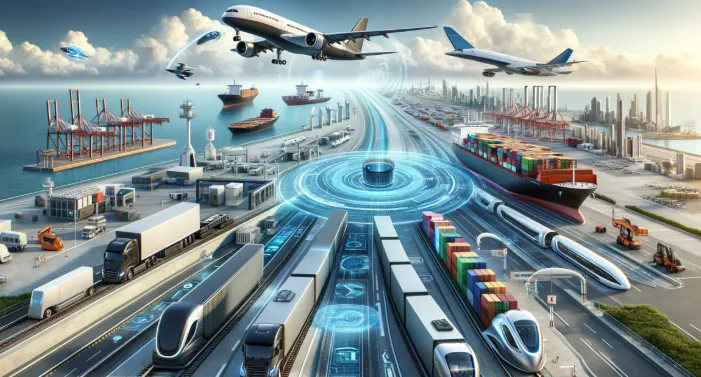
One of the most significant advancements in transportation is the development of smart vehicles. Modern cars are equipped with technologies such as GPS navigation, parking sensors, collision detection systems, and advanced driver-assistance features. These innovations help drivers travel safely while reducing the risk of accidents. Electric vehicles have also gained popularity as environmentally friendly alternatives to traditional fuel-powered automobiles.
Public transportation has greatly benefited from technological progress. High-speed trains, modern buses, and automated ticketing systems have improved the efficiency of urban and intercity travel. Many cities now use digital transportation management systems to monitor traffic flow and optimize public transport schedules, reducing congestion and travel times.
Technology has also revolutionized the aviation industry. Advanced aircraft design, navigation systems, and air traffic control technologies have made air travel safer and more efficient. Modern airplanes can travel longer distances with greater fuel efficiency, connecting people and businesses across the globe.
The logistics and shipping sectors rely heavily on technology for effective operations. GPS tracking systems, route optimization software, and automated warehouses help companies transport goods quickly and accurately. Consumers can track shipments in real time, improving transparency and customer thời tiết thanh hóa ngày mai .
Another important development is the emergence of autonomous and connected vehicles. Researchers are working on self-driving cars that use artificial intelligence, sensors, and cameras to navigate roads with minimal human intervention. Although still developing, these technologies have the potential to transform the future of transportation.
Despite its many benefits, transportation technology faces challenges such as high development costs, cybersecurity concerns, environmental impacts, and infrastructure requirements. Governments and industries must work together to address these issues while promoting sustainable transportation thời tiết thành phố lạng sơn .
In conclusion, technology has significantly advanced transportation by improving safety, efficiency, accessibility, and environmental sustainability. From smart vehicles and modern public transport systems to innovative logistics solutions, technology continues to reshape how people and goods move around the world. As innovation progresses, transportation systems will become even smarter, safer, and more efficient in the future.
